Archive for June 2026
Should You Delay Spay or Neuter Surgery for Large Breed Dogs?
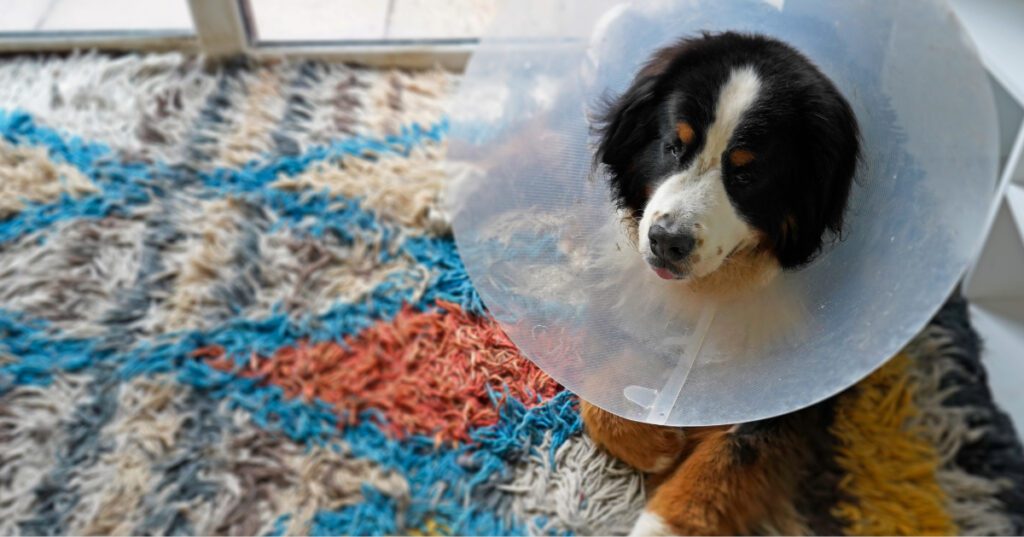
Yes, for many large breed dogs, veterinarians recommend delaying spay or neuter surgery until at least 12 to 18 months of age, and sometimes longer. Unlike small breeds, large and giant breed dogs mature more slowly, and emerging research suggests that large breed dog neutering age and spay timing can meaningfully affect their long-term health.…
Read MoreRisks of Not Spaying or Neutering Pets

If you do not spay or neuter your pet, you expose them to significant health risks including certain cancers, life-threatening infections, and behavioral challenges that can be difficult to manage. The risks of not spaying or neutering pets are well-documented, and choosing to leave a pet intact comes with real consequences that every pet owner…
Read MoreSpay and Neuter Recovery Timeline: What to Expect After Surgery

Most pets recover from spay or neuter surgery within 10 to 14 days, with neutered males often bouncing back within five to seven days. While every animal heals at their own pace, following the recovery guidelines provided by your veterinarian is the single most important thing you can do to support a safe and smooth…
Read MoreWhat Happens During a Spay and Neuter Surgery Procedure?

During a spay surgery, a veterinarian removes the female pet’s reproductive organs through a small abdominal incision while the animal is under general anesthesia. During a neuter surgery, the veterinarian removes the male pet’s testicles through a small external incision. Both spay and neuter surgery procedures are routine, well-established, and performed in a controlled clinical…
Read MoreBenefits of Spaying and Neutering Pets

The benefits of spaying and neutering pets include improved long-term health, reduced risk of certain cancers and infections, calmer behavior, and the prevention of unwanted litters. These procedures are among the most impactful decisions you can make to support your pet’s quality of life. At East Bay Pet Hospital, our veterinary team strongly encourages Williamsburg…
Read MoreWhen Should I Spay or Neuter My Dog or Cat?

Have you wondered when to spay or neuter a dog or cat? The best time to spay or neuter your pet varies depending on species, breed, and size. Making this decision at the right time gives your dog or cat the greatest health advantages and the most protection against preventable conditions. At East Bay Pet…
Read MoreSpaying and Neutering Pets: Everything You Need to Know

Spaying and neutering pets are safe, routine surgical procedures that remove an animal’s reproductive organs to prevent pregnancy and deliver lasting health and behavioral benefits for dogs and cats throughout their lives. If you are a new pet owner trying to figure out next steps, or you have had pets for years and simply want…
Read MoreCost to Spay or Neuter a Pet: What to Expect

The cost to spay or neuter a pet typically ranges from $200 to $600 or more, depending on the type of procedure, the size of the animal, your geographic location, and what services are included. While the price varies, spaying or neutering is almost always far less expensive than the cost of treating the preventable…
Read More