
Protect What Matters Most with Cat and Dog Vaccinations in Williamsburg, MI

A simple appointment today can help prevent serious illness down the road. Vaccines play an important role in protecting pets from contagious and potentially life-threatening diseases, especially as they interact with other animals and the environment.

Our team provides cat and dog vaccinations in Williamsburg, MI with a focus on safety, timing, and what makes sense for your pet’s lifestyle. Every recommendation is tailored, whether your pet spends time outdoors, visits boarding facilities, or primarily stays at home.
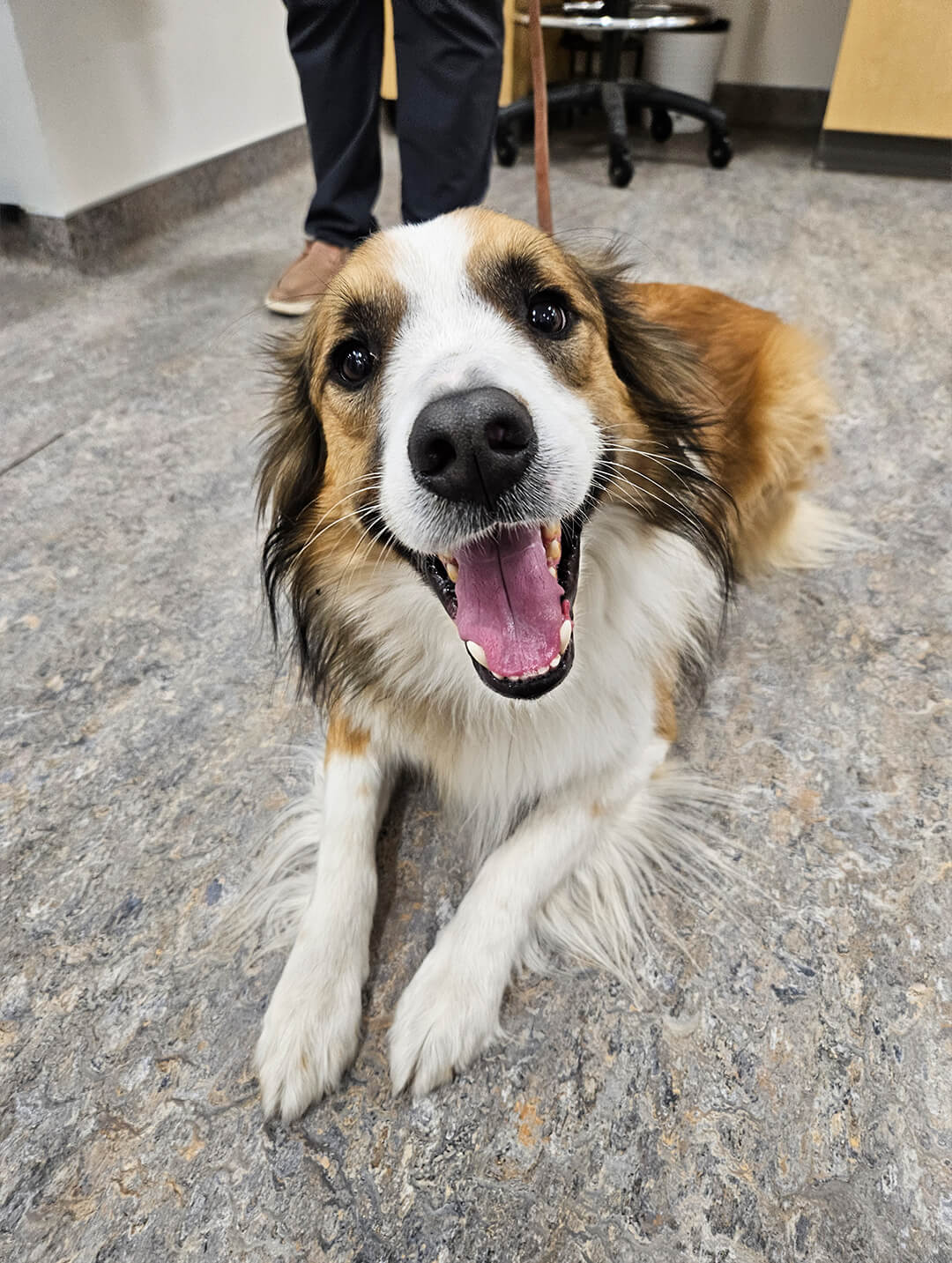
happy brown and white dog sits on the floor of the animal hospital

If your pet is due for vaccines or you’re unsure what they need, call us at (231) 938-8098 today to schedule a visit.
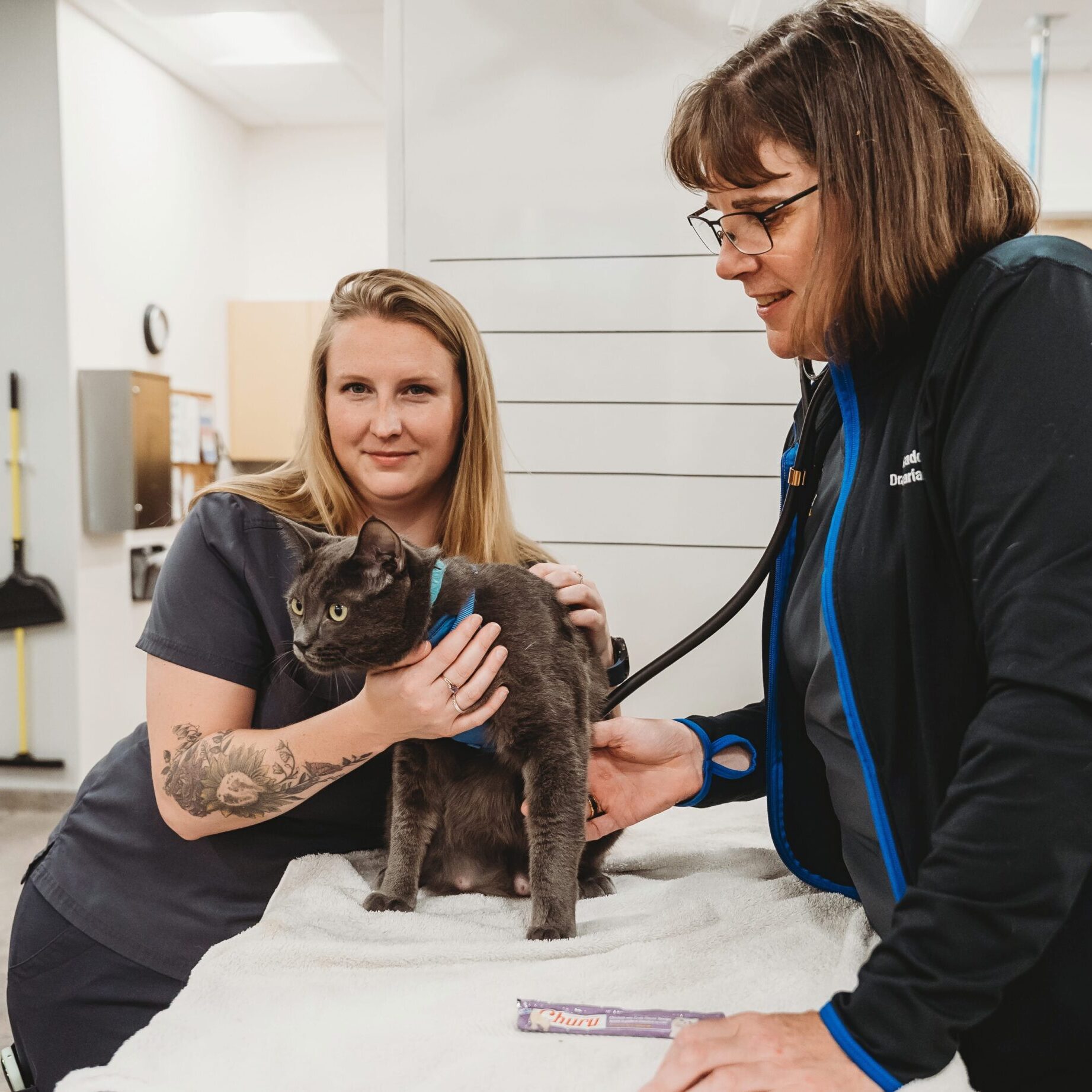
Two Vets And Cat

When Does My Pet Need to Be Vaccinated?

Vaccination schedules vary depending on your pet’s age, lifestyle, and medical history.

Puppies and Kittens

Young pets need a series of vaccines to build strong immunity as their immune systems develop. These visits are typically spaced several weeks apart during the first few months of life.

Adult Pets

Most adult pets require annual or periodic booster vaccines to maintain protection. The timing depends on the specific vaccine and your pet’s risk factors.

Lifestyle-Based Vaccines

Some vaccines are recommended based on exposure risk. For example, pets that spend time outdoors, visit dog parks, or travel may benefit from additional protection.

In Northern Michigan, vaccines are often discussed alongside tick exposure and regional disease risks, helping ensure your pet is protected in the environment they live in.

What Vaccines Do You Offer?

Our vaccination protocols are based on current veterinary guidelines and are adjusted to fit your pet’s needs and lifestyle.

Core Vaccines for Dogs

These vaccines are recommended for most dogs:

  • Rabies

    A fatal viral disease that affects the nervous system and can be transmitted to humans. Infected animals may show behavioral changes, aggression, paralysis, and eventually death, which is why vaccination is required by law.

  • Distemper/Parvovirus (DAP)

    This combination vaccine protects against several serious illnesses:

    • Canine distemper can cause fever, coughing, nasal discharge, neurological symptoms like seizures, and is often life-threatening, especially in puppies.
    • Parvovirus attacks the intestinal tract, leading to severe vomiting, diarrhea, dehydration, and can be fatal without prompt treatment.
    • Adenovirus (Hepatitis) affects the liver and can cause fever, abdominal pain, and organ damage.
  • Leptospirosis

    A bacterial infection spread through contaminated water or soil. It can cause kidney and liver failure, fever, vomiting, and can also be transmitted to people, making it a concern for both pets and families.

Lifestyle Vaccines for Dogs

These vaccines are recommended based on your dog’s environment and exposure risk:

  • Lyme Disease

    Transmitted through tick bites, Lyme disease can lead to fever, joint pain, lameness, and long-term kidney complications if left untreated. It is a common concern in Northern Michigan due to high tick activity.

  • Bordetella (Kennel Cough)

    A contagious respiratory infection that spreads easily in places where dogs gather. It typically causes a persistent, harsh cough and can progress to more serious respiratory illness in some cases.

  • Canine Influenza

    A highly contagious respiratory virus that can cause coughing, nasal discharge, fever, and lethargy. In some dogs, it can lead to pneumonia and more severe complications.

Core Vaccines for Cats

These vaccines are recommended for most cats:

  • Rabies

    Like in dogs, rabies is a fatal disease that affects the nervous system and can be transmitted to humans. Symptoms may include aggression, confusion, and paralysis.

  • FVRCP (Feline Distemper Combination)

    This vaccine protects against several common and serious feline illnesses:

    • Feline Viral Rhinotracheitis (Herpesvirus) causes sneezing, nasal discharge, and eye infections that can become chronic.
    • Calicivirus leads to oral ulcers, respiratory symptoms, and can sometimes cause joint pain or more severe systemic illness.
    • Panleukopenia (Feline Distemper) is a severe viral disease that affects the immune system and intestines, often causing vomiting, diarrhea, and life-threatening dehydration.

Lifestyle Vaccines for Cats

Based on your cat’s exposure risk and environment, we may recommend the following feline vaccine:

  • Feline Leukemia (FeLV)

    A contagious virus that weakens a cat’s immune system, making them more susceptible to infections, anemia, and certain cancers. It is spread through close contact with infected cats, such as grooming or shared food bowls.

What to Expect After Your Pet’s Vaccination

Most pets handle vaccinations well, but it’s normal to notice mild, temporary effects as their immune system responds.

After your pet’s visit, you may notice:

  • Slight tiredness or lower energy

  • Mild soreness at the injection site

  • Temporary decrease in appetite

These signs usually resolve within a day or two. If your pet experiences anything more concerning, such as swelling, vomiting, or persistent discomfort, our team is available to guide you on next steps.
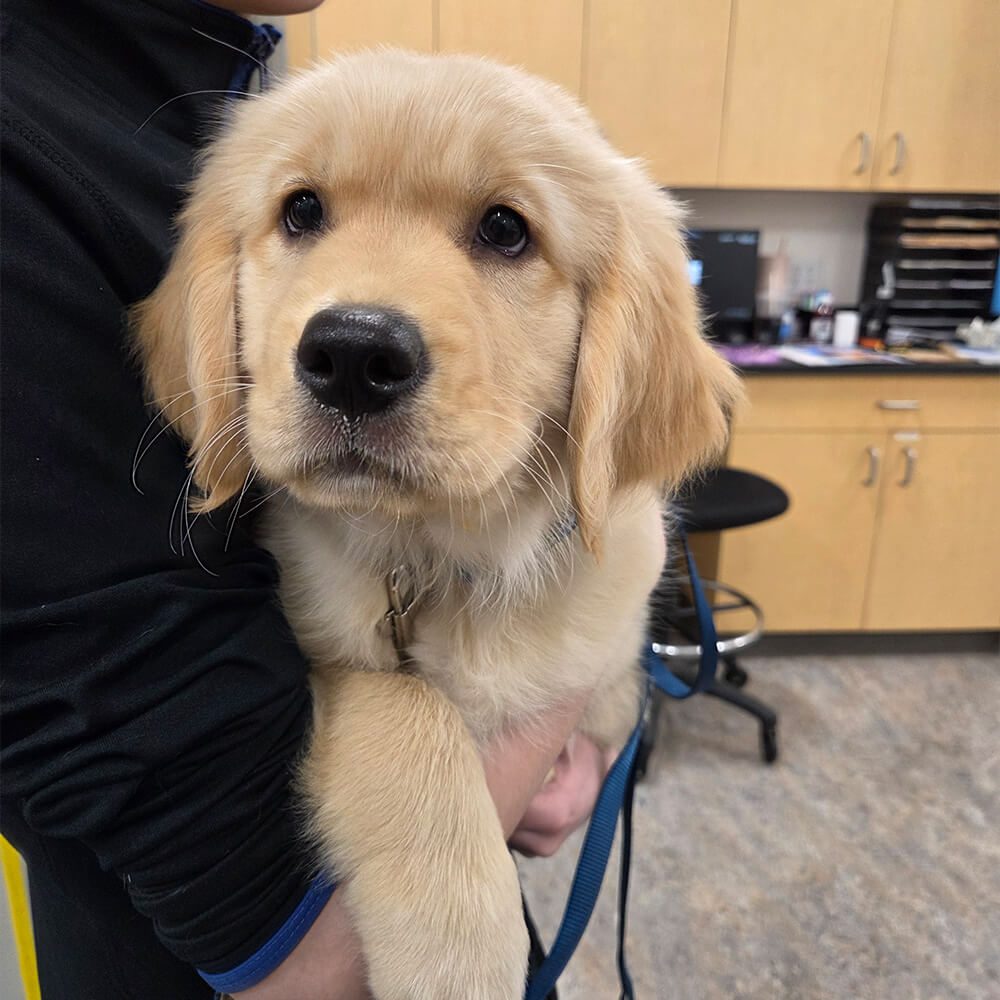
small golden retriever puppy in womans arms

Smarter Vaccine Planning

Vaccination visits are more than just staying on schedule. We take time to understand your pet’s lifestyle, environment, and overall health before making recommendations.

Some pets need broader protection, while others benefit from a more tailored approach. Our goal is to recommend what makes sense — nothing more, nothing less — so your pet stays protected without unnecessary vaccines.

You’ll leave with clear answers, a plan you understand, and the confidence that your pet’s care is based on what truly fits their needs.

If your pet is due for vaccines or you have questions about their needs, our team is here to help. Give us a call at (231) 938-8098.