
Spay and Neuter Recovery Timeline: What to Expect After Surgery
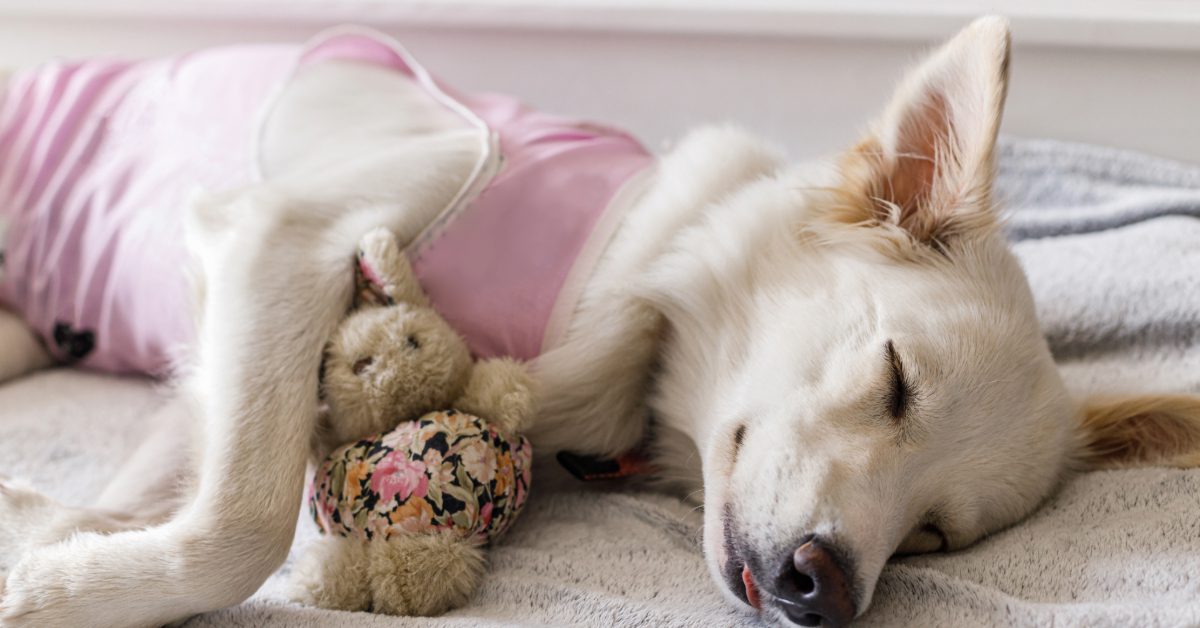
Most pets recover from spay or neuter surgery within 10 to 14 days, with neutered males often bouncing back within five to seven days. While every animal heals at their own pace, following the recovery guidelines provided by your veterinarian is the single most important thing you can do to support a safe and smooth healing process.
If your pet is scheduled for a spay or neuter procedure soon, or if you are trying to decide whether the timing works for your household, this blog from East Bay Pet Hospital in Williamsburg, MI walks you through the typical spay/neuter recovery timeline so you know exactly what to expect.
What Is A Typical Recovery Timeline?
The spay/neuter recovery timeline varies somewhat depending on the type of procedure, the pet’s age and health, and how closely post-operative instructions are followed. Here is a general overview of what recovery looks like day by day.
The First 24 Hours
The first day after surgery is the most physically demanding for your pet. Most animals will be groggy, disoriented, and quieter than usual due to the lingering effects of anesthesia. Some pets may refuse food or have a reduced appetite, and a small amount of nausea is normal. Keep your pet warm, quiet, and confined to a comfortable, low-traffic area of your home. Avoid letting children or other pets interact with them during this initial period.
Days 2 Through 5
By the second or third day, most pets begin to feel more like themselves. Energy levels start to return, and appetite usually resumes. This is actually one of the trickier stages of the spay/neuter recovery timeline, because pets that feel better will often try to run, jump, and play before the incision has had sufficient time to heal. Maintaining activity restrictions during this window is critical, even when your pet seems fully recovered.
Days 5 Through 10
During this stage, the incision continues to close and internal tissues continue to heal. The skin surface may appear slightly pink or show minor bruising, which is normal. Swelling at the incision site should gradually decrease. Continue limiting activity and checking the incision daily. Keep the e-collar on at all times unless your veterinarian advises otherwise.
Days 10 Through 14
Most pets are close to full recovery by the end of the second week. A follow-up appointment with your veterinarian around day 10 to 14 allows our team to confirm healing and remove any non-absorbable sutures. After receiving clearance from your vet, your pet can typically return to normal activity levels.
Signs of Normal Healing
Knowing what normal healing looks like helps you monitor your pet’s progress and avoid unnecessary worry.
What Is Normal After a Spay or Neuter
In the days following spay and neuter surgery, mild redness around the incision site is expected and does not necessarily indicate a problem. A small amount of swelling, particularly in the first 48 hours, is also normal as the body responds to the surgical wound. Some bruising, especially in lighter-skinned pets, may appear and will fade over the course of recovery. Your pet may be slightly tender around the incision and may flinch or pull away if the area is touched.
The Incision Site
A normal incision after spay and neuter surgery should look clean and dry. The edges should be close together. Any visible sutures should remain intact, and the surrounding skin should not appear hot to the touch. As healing progresses, minor scabbing along the incision line is common and nothing to worry about as long as the wound is not oozing or opening.
Normal signs during spay/neuter recovery include:
- Mild redness and minor swelling around the incision during the first 48 hours
- Reduced appetite on the day of surgery, improving by day two
- Slight tenderness when the incision area is touched
- Bruising that fades gradually over the first week
Activity Restrictions
Activity restriction is the most important aspect of the spay/neuter recovery timeline. Premature activity is the leading cause of post-surgical complications, including incision opening, internal bleeding, and infection.
No Running, Jumping, or Rough Play
Your pet should be kept calm and confined to a limited space for the entire recovery period. This means no running in the yard, jumping on or off furniture, playing with other animals, or any activity that could strain the incision or pull at internal sutures. Even short bursts of activity can delay healing significantly. Use a leash for bathroom breaks and keep outdoor time brief.
E-Collar Use
The e-collar, sometimes called a cone, is an essential tool during spay/neuter recovery. Pets instinctively lick or chew at healing wounds, which introduces bacteria and can cause the incision to reopen. The e-collar should remain on at all times except during supervised eating or drinking. If your pet has significant difficulty with a traditional cone, alternatives such as an inflatable collar or recovery suit may be discussed with your veterinarian.
Bathing and Swimming Restrictions
Avoid bathing your pet or allowing them to swim for at least 10 to 14 days after surgery. Moisture softens the incision and disrupts the healing process. If your pet gets dirty during recovery, spot-clean areas away from the surgical site only.
When to Call the Vet
While most pets recover from spay and neuter surgery without complications, it is important to know the warning signs that require prompt veterinary attention.
Signs That Need Veterinary Attention
Contact East Bay Pet Hospital in Williamsburg, MI promptly if you notice any of the following during the spay/neuter recovery timeline:
- The incision is visibly open or the wound edges are separating
- There is significant swelling, firm lumps, or a bulging appearance near the incision
- You notice discharge that is yellow, green, or has an unpleasant odor
- Your pet has not eaten or drunk water for more than 24 hours after surgery
- Your pet appears in significant pain, is unable to walk normally, or is excessively lethargic past the first day
- Vomiting or diarrhea that persists more than 24 hours after surgery
What to Do If You’re Unsure
When in doubt, call your veterinarian. It is always better to check in with a quick phone call or bring your pet in for an examination than to wait and see if a potential problem resolves on its own. Our team at East Bay Pet Hospital is available to answer your questions and provide peace of mind during your pet’s recovery.
Supporting a Smooth Recovery at East Bay Pet Hospital
The spay/neuter recovery timeline is predictable, manageable, and well worth the short-term inconvenience. With the right at-home care and the support of an experienced veterinary team, most pets heal quickly and go on to live healthier, happier lives.
If your pet is recovering from spay or neuter surgery and you have concerns, or if you are ready to schedule your pet’s procedure, call East Bay Pet Hospital in Williamsburg, MI at (231) 938-8098. Our team is here to guide you every step of the way.
Recent Posts
About Us
East Bay Pet Hospital is a family-owned animal hospital in Williamsburg, MI, serving pets throughout Traverse City and the surrounding Grand Traverse area. Since 2004, their team has provided compassionate care for cats and dogs while building lasting relationships with local pet families. They focus on clear communication, a welcoming environment, and support for every stage of a pet’s life.