What Happens During a Spay and Neuter Surgery Procedure?
During a spay surgery, a veterinarian removes the female pet’s reproductive organs through a small abdominal incision while the animal is under general anesthesia. During a neuter surgery, the veterinarian removes the male pet’s testicles through a small external incision. Both spay and neuter surgery procedures are routine, well-established, and performed in a controlled clinical setting with monitoring throughout.
If you have never gone through this process before, it is natural to have questions about what happens in the operating room. At East Bay Pet Hospital in Williamsburg, MI, we believe an informed pet owner is a less anxious one. Here is a detailed, step-by-step look at what to expect before, during, and after spay and neuter surgery.
Preparing Your Pet for Surgery
Good preparation before spay and neuter surgery helps ensure your pet’s safety and supports a smooth recovery.
Pre-Surgical Wellness Evaluation
Before scheduling surgery, your veterinarian will perform a physical examination to assess your pet’s overall health. This exam checks heart and lung function, confirms appropriate body weight, and identifies any concerns that could complicate anesthesia or surgery. For older pets or those with known health issues, pre-surgical bloodwork may be recommended to evaluate organ function and blood counts.
Fasting Before Surgery
Your veterinarian will instruct you to withhold food from your pet for a period of time before surgery, typically from midnight the night before. This fasting requirement reduces the risk of aspiration, which can occur if a pet vomits while under anesthesia. Water restrictions vary by practice and patient age, so follow the specific guidance provided by your veterinary team.
The Morning of Surgery
On the day of spay and neuter surgery, your pet is admitted to the clinic, weighed, and assessed again by our veterinary team. An IV catheter is placed to allow for fluid administration and quick dose delivery if needed. This is also when any last-minute concerns are addressed, and final anesthesia dosing is calculated based on body weight.
Step-by-Step Overview of the Procedure
The spay and neuter surgery procedure itself follows a clear clinical sequence designed for safety and efficiency.
Step 1: Anesthesia Induction
Your pet is first given a pre-anesthetic sedative to reduce anxiety and minimize the amount of general anesthesia required. An induction agent is then administered intravenously to bring the pet into an unconscious state. Once anesthetized, an endotracheal tube is placed to maintain an open airway and deliver oxygen mixed with anesthetic gas throughout the procedure.
Step 2: Surgical Preparation
The surgical site is clipped free of hair and cleaned with an antiseptic solution to minimize the risk of infection. The pet is positioned on the surgical table, and sterile drapes are applied around the incision site. The surgical team, including your veterinarian and a trained technician, scrubs in and prepares all instruments.
Step 3: The Surgical Procedure
For a spay surgery, your veterinarian makes a small incision into the abdomen and carefully removes the ovaries and uterus (ovariohysterectomy) or ovaries alone (ovariectomy). Blood vessels are ligated to prevent bleeding before the organs are removed. The incision is closed in multiple layers using absorbable sutures internally and either absorbable or non-absorbable sutures on the skin surface.
For a neuter surgery, one or two small incisions are made near the scrotum. The testicles are exposed and removed after the blood vessels and vas deferens are ligated. In cats, the incisions are typically small enough to heal without sutures. In dogs, internal dissolvable sutures and sometimes skin sutures are used.
Step 4: Waking Up
Once the surgery is complete, anesthetic gas is discontinued and the endotracheal tube is removed when the pet is awake enough to swallow. Your pet is moved to a recovery area where they are kept warm and monitored as they come out of anesthesia. Most pets are groggy for a few hours after surgery and may be unsteady on their feet initially. This is normal and expected.
Anesthesia and Monitoring
Anesthesia is a critical component of a safe spay and neuter surgery procedure, and the monitoring protocols in place at East Bay Pet Hospital are designed to minimize risk and detect any changes quickly.
What Is Monitored During Surgery?
A trained veterinary technician monitors your pet continuously throughout the entire spay and neuter surgery procedure. Vital signs including heart rate, respiratory rate, blood oxygen levels, blood pressure, and body temperature are tracked in real time using medical monitoring equipment. Any deviation from normal parameters is addressed immediately.
Is Anesthesia Safe for Pets?
Modern veterinary anesthesia is very safe when properly administered and monitored. The risk of serious anesthetic complications is low, particularly for young, healthy pets. Pre-surgical exams and bloodwork help identify pets at higher risk so that precautions can be taken in advance. Our veterinary team at East Bay Pet Hospital follows strict anesthesia protocols to protect every patient.
Pain Management During Surgery
Pain management is integrated into every spay and neuter surgery procedure. Pre-operative pain doses and local anesthetics are commonly used alongside general anesthesia to reduce discomfort during and after surgery. This multimodal approach helps pets wake up more comfortably and typically results in a calmer, easier recovery.
Post-Surgery Care
What happens in the hours and days after spay and neuter surgery is just as important as the procedure itself. Proper post-operative care supports healing and reduces the risk of complications.
Before You Leave the Clinic
Before discharge, our veterinary team will go over your pet’s recovery instructions in detail. You will receive information about incision care, activity restrictions, pain doses, feeding guidelines, and when to schedule the follow-up appointment. Do not hesitate to ask questions. Your team at East Bay Pet Hospital wants you to feel confident taking care of your pet at home.
The Day After Surgery
The care does not stop when you leave our hospital. Our team will call you the day after your pet’s spay or neuter surgery to check in on how they are recovering at home. This is a great opportunity to ask any questions that have come up overnight, share any concerns about your pet’s comfort or incision site, and get reassurance from our team that your pet is on the right track. If anything seems off before we call, do not hesitate to reach out to us directly.
At-Home Recovery
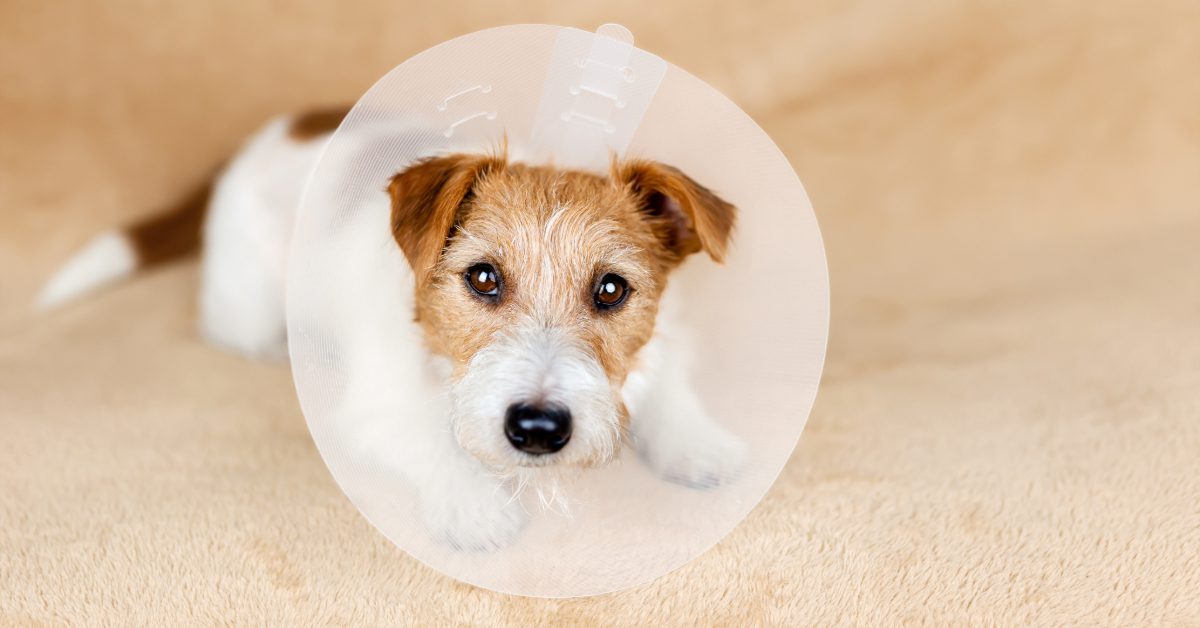
Your pet should have a quiet, clean space to rest after surgery. Limit physical activity for at least 10 to 14 days to allow the incision to heal properly. Your pet should wear an e-collar to prevent licking or chewing at the surgical site, which is one of the most common causes of post-operative complications.
Important things to watch for after spay and neuter surgery:
- Excessive redness, swelling, or discharge at the incision site
- Lethargy that persists beyond the first 24 to 48 hours
- Loss of appetite lasting more than 24 hours after surgery
- Vomiting, diarrhea, or signs of pain such as whimpering or guarding the abdomen
Your Pet Is in Experienced Hands at East Bay Pet Hospital
Spay and neuter surgery is one of the most common veterinary procedures performed every day across the country, and our team at East Bay Pet Hospital in Williamsburg, MI has the experience and protocols to make the process safe, smooth, and comfortable for your pet.
If you have questions about the spay or neuter surgery procedure or want to schedule your pet’s appointment, contact East Bay Pet Hospital at (231) 938-8098 today. We are happy to walk you through every step.
Recent Posts
About Us
East Bay Pet Hospital is a family-owned animal hospital in Williamsburg, MI, serving pets throughout Traverse City and the surrounding Grand Traverse area. Since 2004, their team has provided compassionate care for cats and dogs while building lasting relationships with local pet families. They focus on clear communication, a welcoming environment, and support for every stage of a pet’s life.