
Spaying and Neutering Pets: Everything You Need to Know
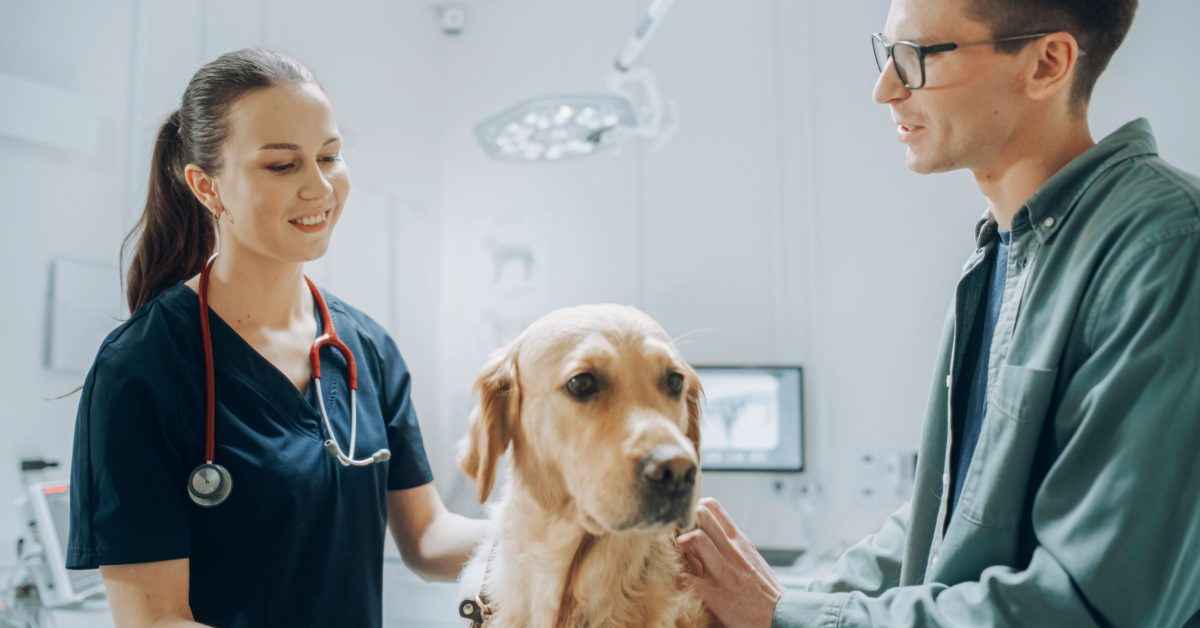
Spaying and neutering pets are safe, routine surgical procedures that remove an animal’s reproductive organs to prevent pregnancy and deliver lasting health and behavioral benefits for dogs and cats throughout their lives. If you are a new pet owner trying to figure out next steps, or you have had pets for years and simply want to make sure you are making the best decisions for their long-term wellbeing, understanding these procedures is one of the most valuable things you can do.
From when to schedule the surgery and what the recovery looks like, to the real health risks of waiting too long, this guide covers everything you need to know about spaying and neutering your pet so you can walk into East Bay Pet Hospital in Williamsburg, MI feeling informed, prepared, and confident in the care you are providing.
What Is Spaying and Neutering?
Spaying and neutering are the two most commonly performed elective surgeries in veterinary medicine. Both procedures make a pet incapable of reproducing, but they are performed differently depending on your pet’s sex.
What Is Spaying?
Spaying refers to the surgical removal of the reproductive organs in female animals. In most cases, this involves an ovariohysterectomy, which removes both the ovaries and the uterus. Either approach eliminates heat cycles, prevents pregnancy, and reduces the risk of several serious health conditions.
What Is Neutering?
Neutering refers to the surgical removal of the testicles in male animals, a procedure known as orchiectomy or castration. Neutering eliminates the primary source of testosterone, which reduces hormone-driven behaviors and lowers the risk of certain cancers and infections. The term ‘neutering’ is sometimes used broadly to refer to sterilization in either sex, but it most specifically applies to males.
Are These Procedures Safe?
Yes. Spaying and neutering pets are among the most frequently performed veterinary surgeries, and both procedures are considered very safe. Modern anesthesia doses, proper patient monitoring equipment, and an experienced veterinary surgeon work together to make these routine procedures as low-risk as possible. The risks are low, and the long-term benefits are significant.
Why It’s Important for Your Pet’s Health
Spaying and neutering pets does much more than prevent unwanted litters. These procedures offer real, lasting health benefits that can extend your pet’s life and improve their quality of care.
Health Benefits of Spaying Female Pets
Spaying a female dog or cat eliminates the risk of uterine infections, commonly known as pyometra. Pyometra is a life-threatening condition that affects unspayed females and often requires emergency surgery. Spaying also dramatically reduces the risk of mammary tumors. When pets are spayed before their first heat cycle, this protection is even greater.
Health Benefits of Neutering Male Pets
Neutering male pets eliminates the risk of testicular cancer and significantly reduces the likelihood of prostate problems, including benign prostatic hyperplasia and prostatitis. These conditions are common in older, intact male dogs and can cause pain, difficulty urinating, and complications requiring surgery or long-term treatment.
Behavioral Benefits
Beyond physical health, spaying and neutering pets can have a meaningful impact on behavior. Neutered males are less likely to mark territory, roam in search of mates, or exhibit aggression toward other animals. Spayed females no longer experience heat cycles, which means no yowling, restlessness, or stress-related behaviors associated with estrus.
When to Schedule the Procedure
The ideal time to spay or neuter a pet depends on the species, breed, and size of the animal.
Recommended Age for Dogs
For most small to medium-breed dogs, the ideal time to schedule spaying or neutering is before their first heat cycle, which can be as early as 9 months of age. Large and giant breed dogs may benefit from waiting until they are 12 to 24 months old to allow their bones and joints to fully develop. Your veterinarian can help you determine the right timing based on your dog’s size and breed.
Recommended Age for Cats
Cats can be spayed or neutered as early as eight weeks of age if they weigh at least two pounds. Most veterinarians recommend scheduling the procedure between four and six months of age, before cats reach sexual maturity. Cats can become pregnant as young as four months old, so early spaying is especially important for female cats.
Is There an Ideal Window?
Spaying and neutering pets before the first heat cycle provides the greatest health benefits, particularly for females. However, pets can be safely spayed or neutered at any age. If you have adopted an older pet that has not been altered, our team at East Bay Pet Hospital can assess your pet’s health and recommend the safest approach.
What to Expect Before and After Surgery
Knowing what to expect helps reduce anxiety for both pet owners and their animals. Spay and neuter procedures follow a clear process, from pre-surgical preparation to post-operative recovery.
Before the Procedure
Your veterinarian will likely require a pre-surgical wellness exam and may recommend bloodwork to check for any underlying health concerns. You will also receive a comfort kit of doses to begin at home the night before surgery, including pain doses and an oral sedative to help your pet stay calm and comfortable before they even arrive at the clinic. The night before, withhold food and water as directed to reduce anesthesia risks. Make sure you have a quiet, comfortable space ready at home for your pet’s recovery.
The Day of Surgery
On the day of surgery, your pet receives a physical exam to confirm there are no new health concerns before proceeding. From there, pain doses and sedatives are administered to keep your pet comfortable and calm. An IV catheter is placed to deliver fluids throughout the procedure and to provide immediate access for any emergency doses if needed during anesthesia. Your pet is monitored continuously from the start of surgery until they are fully awake, and most spay and neuter procedures are completed within 20 to 45 minutes.
Recovery at Home
After surgery, your pet will need rest, limited activity, and monitoring at home. Most pets recover well within 10 to 14 days. You will receive discharge instructions that include how to care for the incision site, signs to watch for, and when to schedule a follow-up appointment. Pets should wear an e-collar to prevent licking or chewing at the surgical site.
The key recovery steps include:
- Keeping the incision site clean and dry
- Limiting running, jumping, and roughhousing for 10 to 14 days
- Monitoring for signs of infection such as redness, swelling, or discharge
Schedule Your Pet’s Spay or Neuter Appointment in Williamsburg, MI
Spaying and neutering pets is one of the most responsible decisions you can make as a pet owner. These procedures protect your pet’s health, reduce behavioral challenges, and help address pet overpopulation in our communities. Our veterinary team at East Bay Pet Hospital in Williamsburg, MI is here to answer your questions and guide you through every step of the process.
Contact East Bay Pet Hospital today at (231) 938-8098 to schedule a consultation or to book your pet’s spay or neuter appointment. Our compassionate team is ready to provide the attentive, personalized care your pet deserves.
Recent Posts
About Us
East Bay Pet Hospital is a family-owned animal hospital in Williamsburg, MI, serving pets throughout Traverse City and the surrounding Grand Traverse area. Since 2004, their team has provided compassionate care for cats and dogs while building lasting relationships with local pet families. They focus on clear communication, a welcoming environment, and support for every stage of a pet’s life.